
Before there were smartwatches that could call 911 or smart rings that predicted illness, there was the Fitbit, which clipped onto clothing and counted steps and calories.
The device launched in 2007 and instantly became a hit among early adopters and fitness enthusiasts. Back then, if a user wanted to view their data, they had to sync the device to a computer to see it on the Fitbit website.
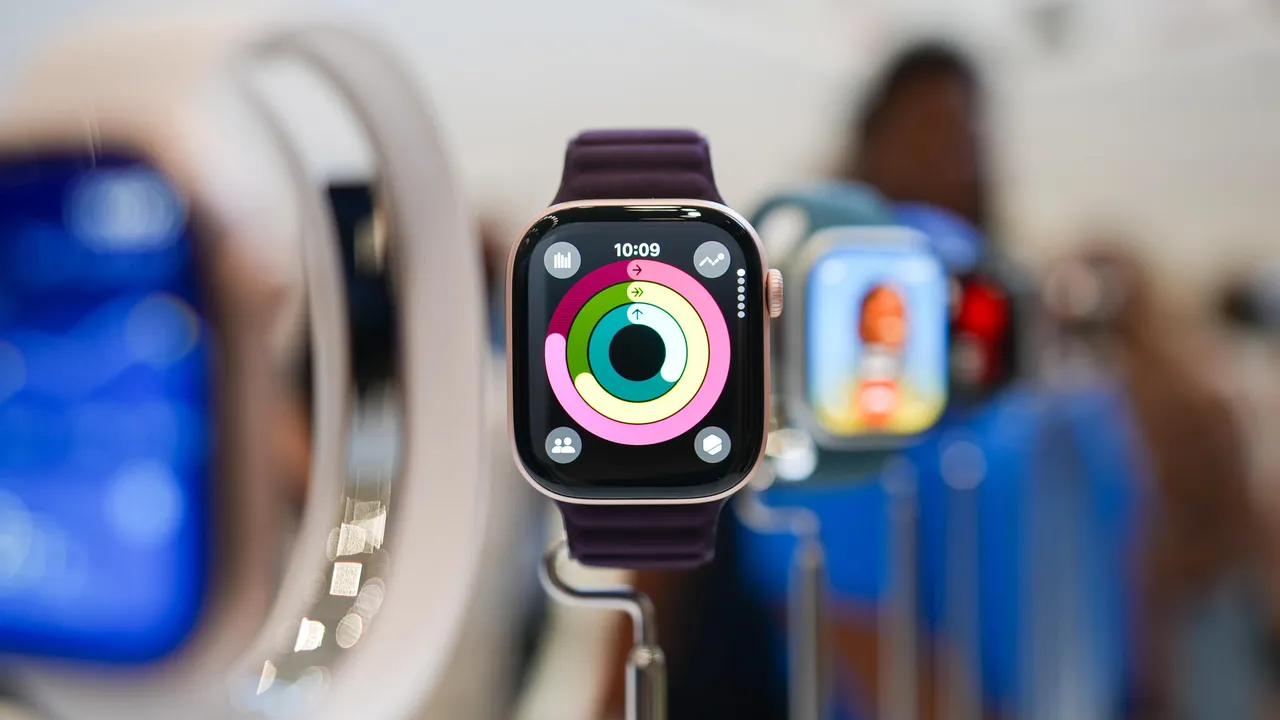
That’s worlds different from the fitness and health tech circulating today that automatically captures our heart rate and variability as it beats and displays them on a graph with instant insights and recommendations — or notifies us about our stress levels and then offers breathing exercises to reduce them.
The second decade of wearable health tech
While the first decade of wearable health tech was marked by deployment and accessibility — getting the devices onto as many wrists as possible — this second decade is more concerned with tracking far more health metrics than ever before and creating more discreet biotech that blends into the background of our day-to-day lives.
We see this most poignantly with the dawn of the smart ring, an unburdensome and screenless alternative to the clunky smartwatch that tracks our sleep, activity, and stress. Its battery life lasts days longer than that of most watches.
We’re two years away from the 20t h anniversary of the Fitbit, the first mass-market wearable fitness tracker that fundamentally changed the health tech industry. So, what major improvement will wearable tech’s third decade be marked by? These brands give us a few clues.
Explore IT Tech News for the latest a dvancements in Information Technology & insightful updates from industry experts!